How Worm Gearboxes Help Machines Achieve Smooth Speed Reduction
When it comes to enhancing machine efficiency and performance, knowing how to implement worm gearboxes can significantly solve the problem of speed reduction in various industrial applications. In this article, I’ll walk you through practical steps to effectively utilize worm gearboxes and the DZ Gear Motor to ensure smooth operational processes while tackling common industry obstacles. Following my clear guidelines will allow your business to achieve seamless speed transitions without compromising on quality or performance.
In my experience, implementing worm gearboxes involves the following actionable steps tailored to your specific machines.
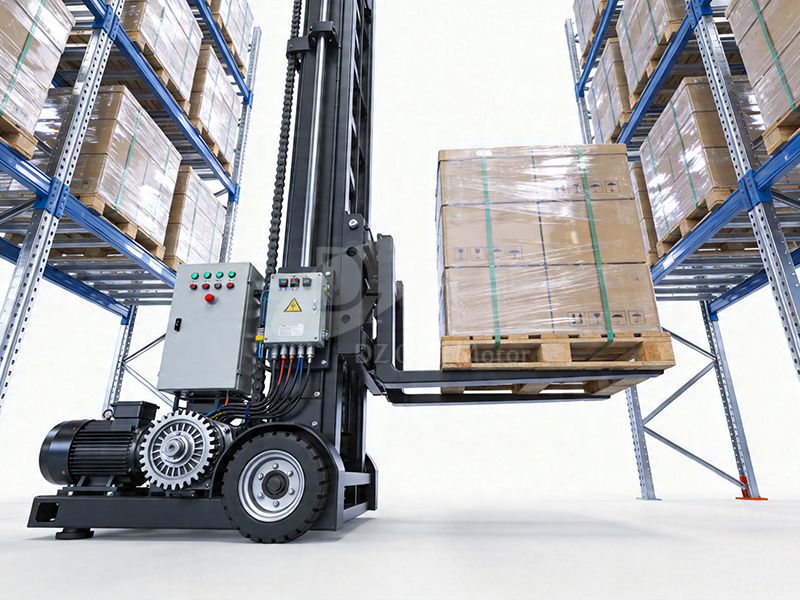
Before you choose a worm gearbox, assess your specific operational needs. Consider factors like torque requirements, the speed ratio needed, and the dimensions of the space where it will be installed. This preliminary analysis will help you avoid compatibility issues.
Torque Requirements: Determine the maximum torque needed by your application.
Speed Ratio: Calculate the desired reduction ratio for optimal performance.
Space Considerations: Measure the installation area to ensure the chosen gear fits perfectly.
Step 1: Define Your Requirements
Once you've defined your requirements, select the appropriate worm gearbox. For instance, the DZ Gear Motor is engineered to handle various input speeds and provide exceptional output torque. Choosing quality gearboxes ensures durability and reliability.
Precision and Quality: Look for gearboxes that meet standards such as ASTM or DIN.
Load Capacity: Ensure your chosen gearbox can handle the operational load over extended use.
Step 2: Select the Right Worm Gearbox
Follow a structured approach for installation. Here’s how:
Safety First: Ensure all power sources to the machine are disconnected.
Alignment: Position the gearbox and motor to maintain proper alignment, which is crucial for efficiency.
Mounting: Secure the gearbox using the appropriate bolts and ensure it’s tightly fastened to prevent vibrations.
Connection: Attach the gearbox input to the motor, ensuring it fits snugly to eliminate slippage.
Step 3: Installation Process
After installation, conduct rigorous testing to validate performance.
Run Tests: Check for any unusual sound or vibrations that may indicate misalignment.
Calibration: Fine-tune the gearbox settings to ensure your machine operates within the desired parameters. I recommend aiming for precision within 0.01mm where possible.
Step 4: Testing and Calibration
Integrating worm gearboxes has proven real-world benefits for many businesses. These gearboxes reduce wear and tear on machine components, leading to lower maintenance costs. Furthermore, the enhanced smoothness during speed reduction prevents jarring movements, which can compromise product quality. Companies utilizing the DZ Gear Motor have reported up to a 100% increase in efficiency in rotational tasks, directly translating into a healthier bottom line.
Real-World Impact and Benefits
One of the common challenges in implementing worm gearboxes is heat build-up during operation. To mitigate this:
Incorporate Cooling Systems: Use external cooling solutions or fans for prolonged usage.
Schedule Regular Maintenance: Establish a routine check to ensure lubrication levels are sufficient.
Potential Challenges and Solutions
For a seamless installation and performance monitoring, I recommend the following tools:
Torque Wrench: Essential for ensuring your fittings are at the correct torque.
Digital Level: For precise alignment.
Lubrication System: For maintaining optimal gearbox performance.
Recommended Tools and Resources
To summarize, here are the critical steps you should take:
Define your operational requirements for speed and torque.
Select a reliable worm gearbox, preferably the DZ Gear Motor.
Follow a structured installation process.
Conduct thorough testing and calibrate for precision.
Anticipate challenges related to heat and proactively address them.
By taking these actionable steps, you can enhance the operational efficiency of your machines while reducing downtime and maintenance costs associated with incorrect speed reductions. Remember, utilizing high-quality Industrial Gearboxes, like the DZ Gear Motor, ensures longevity and superior performance in your machinery applications.


Comments
Post a Comment